
Earthquakes are a powerful force of nature that can have devastating effects on buildings and infrastructure. The shaking and vibrations caused by seismic activity can cause buildings to sway, crack, and even collapse if they are not properly designed and constructed to withstand such forces. This is where bracing seismic comes into play – a crucial component in ensuring the safety and stability of structures in earthquake-prone regions.
bracing seismic refers to the implementation of structural elements such as braces, shear walls, and other reinforcement methods to improve a building’s ability to withstand seismic forces. These elements work by providing additional strength and stiffness to the building, allowing it to better resist the lateral forces generated by an earthquake. By strategically placing braces and other reinforcements throughout a structure, engineers can effectively distribute the seismic forces and reduce the risk of damage or collapse.
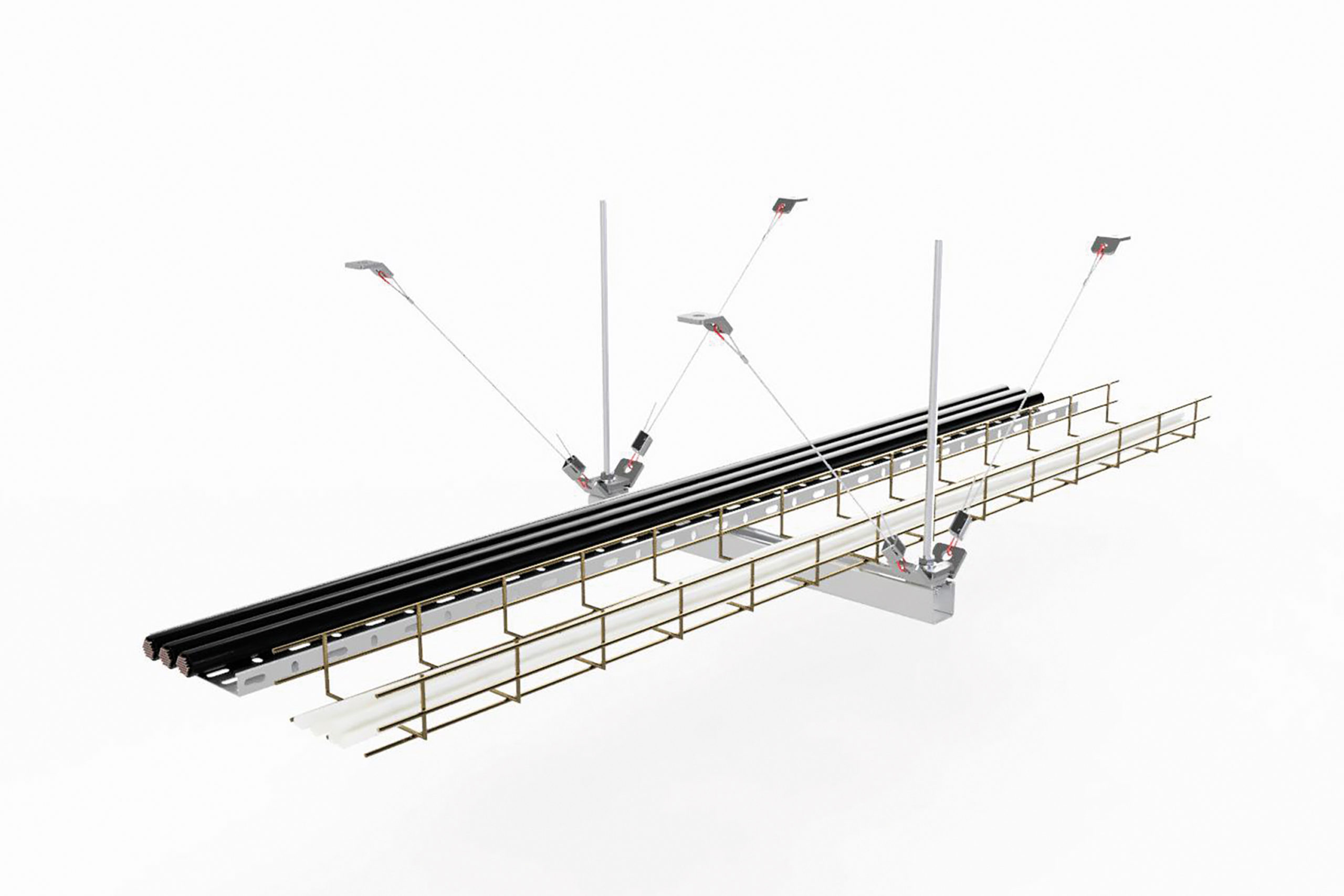
One of the key benefits of bracing seismic is its ability to minimize the displacement and deformation of a building during an earthquake. Without proper bracing, a building can experience significant lateral movement and distortion, which can lead to structural failure and potentially catastrophic consequences. By incorporating bracing elements into the design of a building, engineers can limit the amount of movement and deformation that occurs during an earthquake, thereby enhancing the building’s overall performance and safety.
Another important aspect of bracing seismic is its ability to protect not only the building itself but also the occupants inside. During an earthquake, the primary goal is to keep people safe and secure, and properly braced structures can help achieve this goal. By reducing the risk of collapse and minimizing the damage caused by seismic forces, bracing seismic plays a vital role in ensuring the safety of those who live and work in earthquake-prone areas.
In addition to protecting buildings and occupants, bracing seismic also helps to safeguard critical infrastructure and essential services. Hospitals, schools, emergency response centers, and other key facilities must remain operational during and after an earthquake to provide vital services to the community. By incorporating bracing seismic into the design of these structures, engineers can enhance their resilience and ensure that they can continue to function even in the face of a seismic event.
bracing seismic is not a one-size-fits-all solution, however. The specific design and implementation of bracing elements will vary depending on factors such as the size and shape of the building, the local seismicity, and the desired level of protection. Engineers must carefully analyze the unique characteristics of each structure and tailor their bracing designs to meet the specific requirements and constraints of the project.
Furthermore, bracing seismic is just one component of a comprehensive seismic design strategy. In addition to bracing elements, engineers may also incorporate other seismic-resistant features such as base isolators, dampers, and flexible connections to further enhance a building’s ability to withstand earthquakes. By combining multiple strategies and techniques, engineers can create buildings that are resilient, reliable, and able to withstand even the strongest seismic forces.
While bracing seismic is essential for ensuring the safety and stability of structures in earthquake-prone regions, it is important to remember that no building can be completely earthquake-proof. Even with the most advanced seismic design strategies in place, there is always some level of risk associated with earthquakes, and it is impossible to guarantee absolute safety. However, by incorporating bracing seismic and other seismic-resistant features into the design of buildings, engineers can greatly reduce the impact of seismic events and help protect lives and property.
In conclusion, bracing seismic plays a critical role in keeping structures safe and secure in earthquake-prone areas. By providing additional strength, stiffness, and resilience to buildings, bracing elements help to minimize the displacement and deformation caused by seismic forces, protect occupants and essential services, and enhance overall safety and performance. While no building can be completely earthquake-proof, bracing seismic is an essential tool for engineers and designers to help mitigate the effects of earthquakes and ensure the structural integrity of buildings in seismic regions.